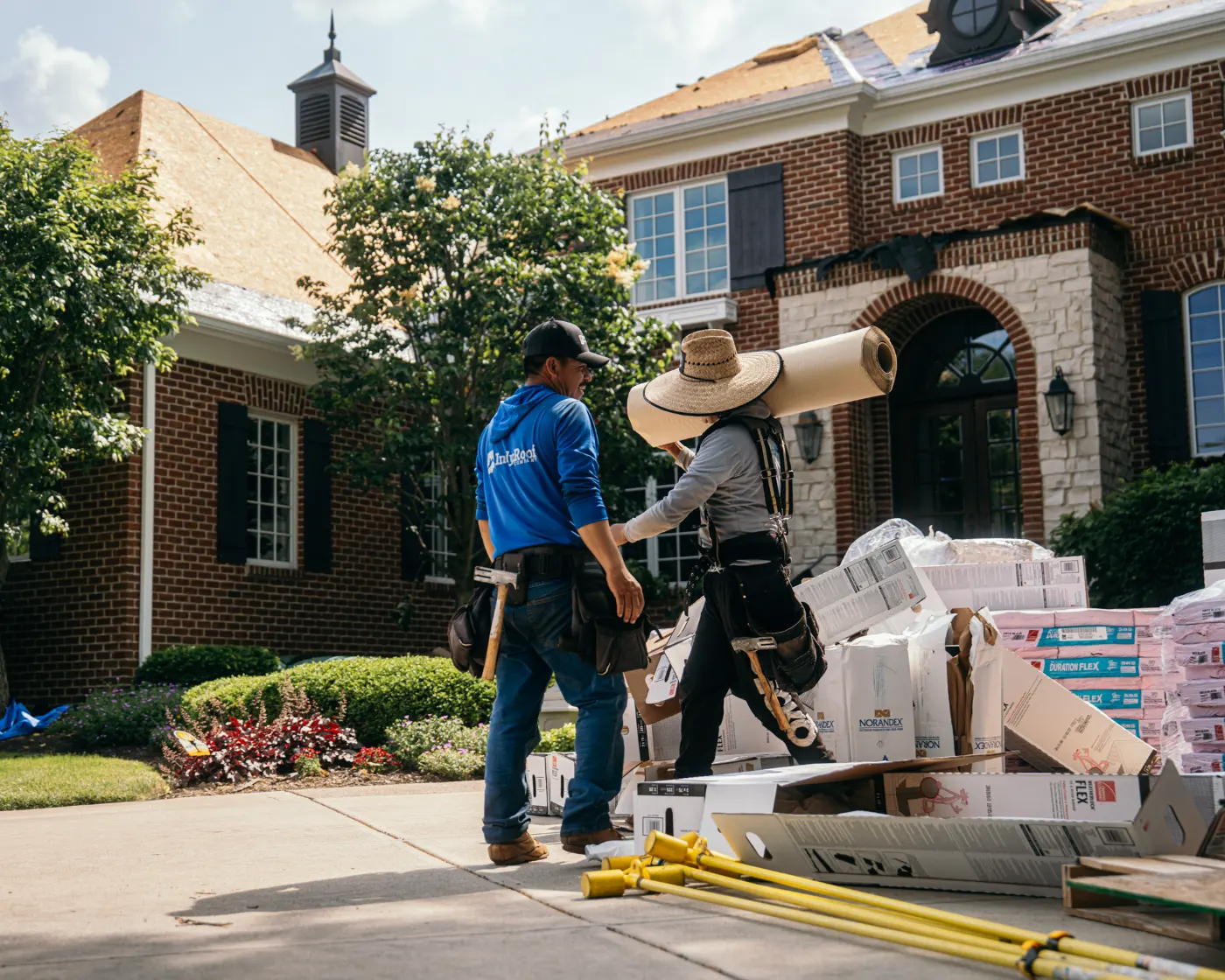
A Roofing Contractor Kennard Can Reach by Phone
Kennard Roofing provides roofing to homeowners across Kennard, from storm damage repairs to full replacements on aging shingles. Licensed and insured in Indiana, we offer free inspections and written estimates so Kennard homeowners know exactly what they're getting before any work starts.
If we're busy helping someone else and miss your call, we'll call you back within 15 minutes.



Kennard Roofing repairs and replaces roofs across Kennard, IN: storm damage, leaks, full tear offs, and the honest inspections that decide between them. Call (463) 220-0721.
- Services: roof inspections, roof repair, emergency roof repair, roof replacement
- Service area: Kennard, Henry, IN and surrounding areas
- Response: Tree impact and wind damage in Kennard secured fast, then scoped in writing
- Licensed and insured (License #RC21100059)
- Serving Kennard, IN since 2018
Schedule Your Free Roof Inspection
A Kennard roof inspection from Kennard Roofing covers the parts that actually fail. Crews check shingle condition for hail bruising, cracking, curling, and granule loss, look closely at flashing around chimneys, vents, and valleys, and inspect the areas most prone to storm or age damage. We photograph everything, both the trouble spots and the general condition, so you have a record and so any insurance claim has proper documentation. Because much of the Kennard housing stock predates 1980, we often find roofs quietly past their useful life. Catching lifted shingles or failing flashing early keeps small roof problems from becoming expensive interior ones later.
I agree to be contacted by Kennard Roofing regarding my inquiry.
Nothing accelerates Kennard roof decisions like a purchase agreement. The inspection report lands, the roof line items multiply, and repairs that could have been planned across seasons become a bargaining chip in someone else's negotiation. Henry sellers who documented their roofs early negotiate from records. The ones who did not negotiate from whatever the buyer's inspector wrote.
Kennard Roofing registers manufacturer warranties before the final invoice and hands Kennard homeowners the confirmation, because coverage nobody filed is coverage nobody has. The closeout package carries the rest: photos, scope, materials, and dates, the paper trail that answers insurance questions, settles resale negotiations, and turns the next Henry service call into a lookup instead of an investigation.
Carrier scheduling a reinspection? Kennard Roofing supports Kennard homeowners through insurance reviews with the file that ends arguments: dated photos, slope maps, and repair records tied to the storm that caused them. Call (463) 220-0721 before the site visit. Across Henry, a roof that answers questions before they are asked is the difference between approved and argued.
Payment Options That Work for You
A roof project is worth doing right the first time. Financing options through Kennard Roofing lender partners help you pay over time instead of cutting scope or delaying the work.
Pay for your project at a later time, but lock in today's pricing. Ideal for homeowners waiting on insurance settlements.
- No payments for 12 months
- No interest if paid in full
- Lock in current pricing today
Divide your project cost equally across 12 months with zero interest. Most homeowners choose this option for predictable budgeting.
- Equal monthly payments
- 0% interest for 12 months
- Simple, predictable budgeting
Spread your investment over up to 20 years with fixed equal payments. The right choice for larger projects or homeowners who prefer lower monthly amounts.
- Up to 20-year terms available
- Fixed equal payments
- Ideal for larger projects
Financing provided by Slice, Foundation Finance, Regions. Subject to credit approval. Rates, terms, and promotional periods are set by the lender and disclosed in writing before you sign.
How We Handle Kennard Roofing
Manufacturer-certified crews and clear documentation go into every roofing project Kennard Roofing handles, whether it's an inspection, a repair, or a full replacement.
Roof Inspections in Kennard
Free, thorough roof inspections for Kennard homes, covering shingles, flashing, valleys, and problem areas, with photo documentation of the findings. You get a clear picture of the roof's condition before any work is discussed.
Learn moreRoof Repair in Kennard
Targeted roof repair for Kennard homes dealing with wind lifted shingles, damaged flashing, small leaks, or isolated storm damage. We fix the actual problem and document what was done.
Learn moreEmergency Roof Repair in Kennard
Emergency roof repair for Kennard homeowners hit with sudden damage from storms, fallen limbs, or major leaks. We prioritize these calls and work to stabilize the roof so the situation doesn't get worse.
Learn moreRoof Replacement in Kennard
Full roof replacement for Kennard homes with roofs past their useful life or too damaged to repair. Tear off, decking check, underlayment, flashing, and new shingles installed to manufacturer specs.
Learn moreDesigner Roofing in Kennard
Designer roofing for Kennard homeowners who want more than a standard architectural shingle, including premium profiles, dimensional looks, and upgraded color options that fit the home's style.
Learn more
Local Expertise, Real Results
Nothing gets covered up on a Kennard roof that we would not want a home inspector to find.
Repair or replace is a math problem, not a sales pitch. Kennard Roofing prices both for Kennard homeowners with honest lifespan expectations on each, and recommends the one the numbers support.
Kennard Roofing serves Kennard and the surrounding Henry County communities including New Castle, Greenfield, Knightstown, Lewisville, and Mooreland. Founded in 2018 by Aaron Christy, who has been featured on FOX59, WISH TV, and RTV6, the company has spent years handling roofing work across central Indiana small towns like Kennard. Our crews are licensed and insured under Indiana license RC21100059, and we know the specific quirks of homes near West Madison Street and out toward State Road 38. Whether you own a 1950s vernacular farmhouse or a home rebuilt after the 1974 storms, we've worked on roofs like yours in Henry County.
Every Kennard project starts with a thorough look at the roof, not a sales pitch. We walk the roof where safe, check shingles, flashing, valleys, penetrations, and problem areas, and document what we find with photos so you can see the condition for yourself. From there you get an honest written estimate with a clear scope, so there's no guessing about what's included. When crews start the actual roofing work, they protect the property, work cleanly, and finish with a walkthrough. That's the whole approach, no gimmicks and nothing invented to close a sale.
Our Promise
Every Kennard homeowner gets a free on site inspection before we quote a dime of work. Your written estimate lays out the scope in plain language, with transparent line items showing up later. The roofing work itself is backed by a workmanship warranty in addition to the standard manufacturer coverage on the shingles you choose. That's the deal: free look, honest number, clean work.
The Case for Kennard Roofing in Kennard
We work in Kennard and Henry, using solid materials, inspecting carefully, and quoting openly.
Storm And Hail Response
After a hail or high wind event, we prioritize inspections so damage gets documented before it worsens. Crews look for bruised shingles, torn tabs, and lifted courses that let water track under the roof. Storm damage gets worse the longer it sits, and prompt scheduling helps protect both the home and any insurance claim.
Kennard Homes We Know
We've worked on the small single family homes and story and a half farmhouses that make up most of Kennard. That means we understand the older decking, the simpler gable pitches, and the shingle layers common on homes built or rebuilt decades back. You get a crew that recognizes what it's looking at.
Full Scope Roofing
From the first inspection through the final cleanup, one company handles the whole roofing job. That includes repair, replacement, designer options, and emergency work when a tree limb comes through. No handoffs to unknown subs for the parts nobody wants to explain.
Insurance Documentation Done Right
When a Kennard roof takes storm damage, the claim lives or dies on documentation. We photograph the damage clearly, note the failure modes, and give you a written scope you can hand to your insurance carrier. Clear paperwork makes the adjuster's job easier and keeps your claim moving.
Real Jobs. Real Results.
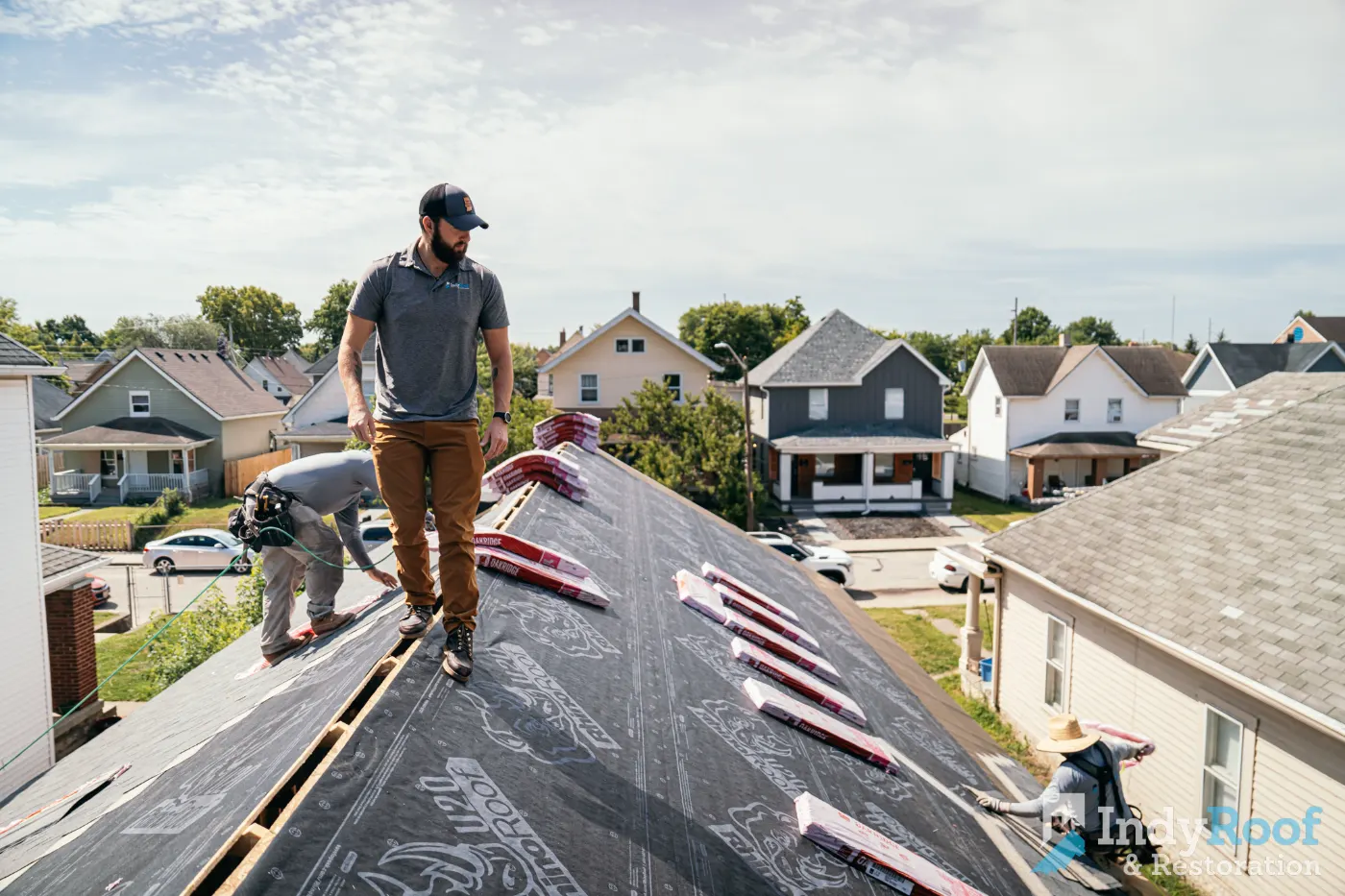
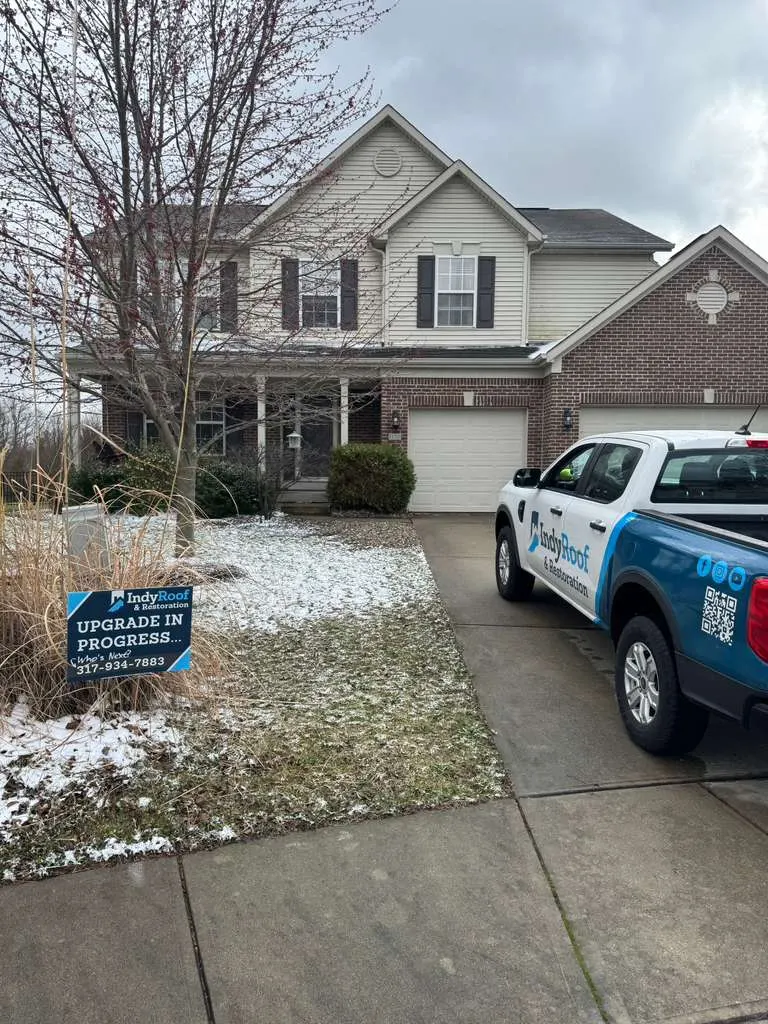
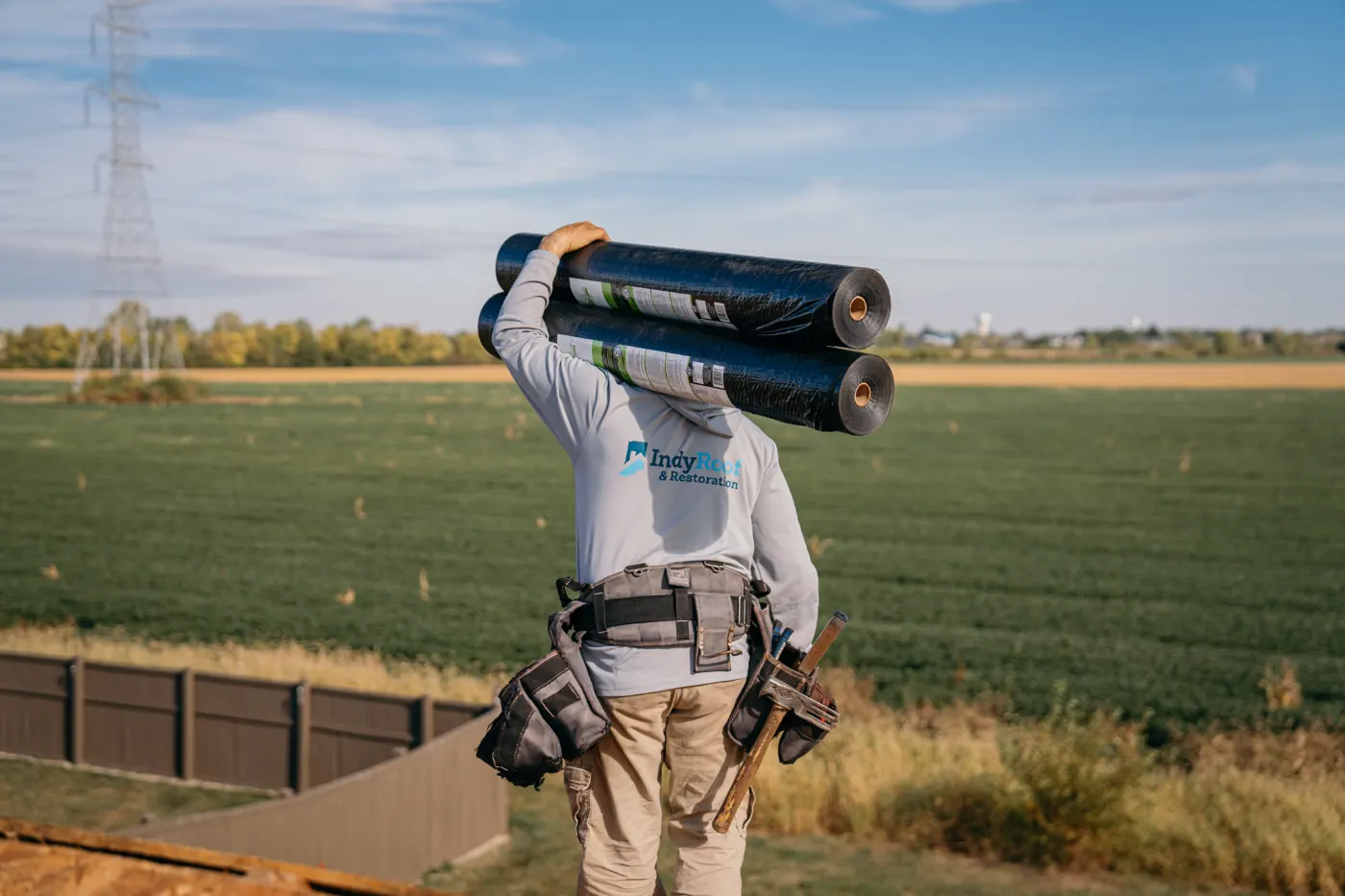
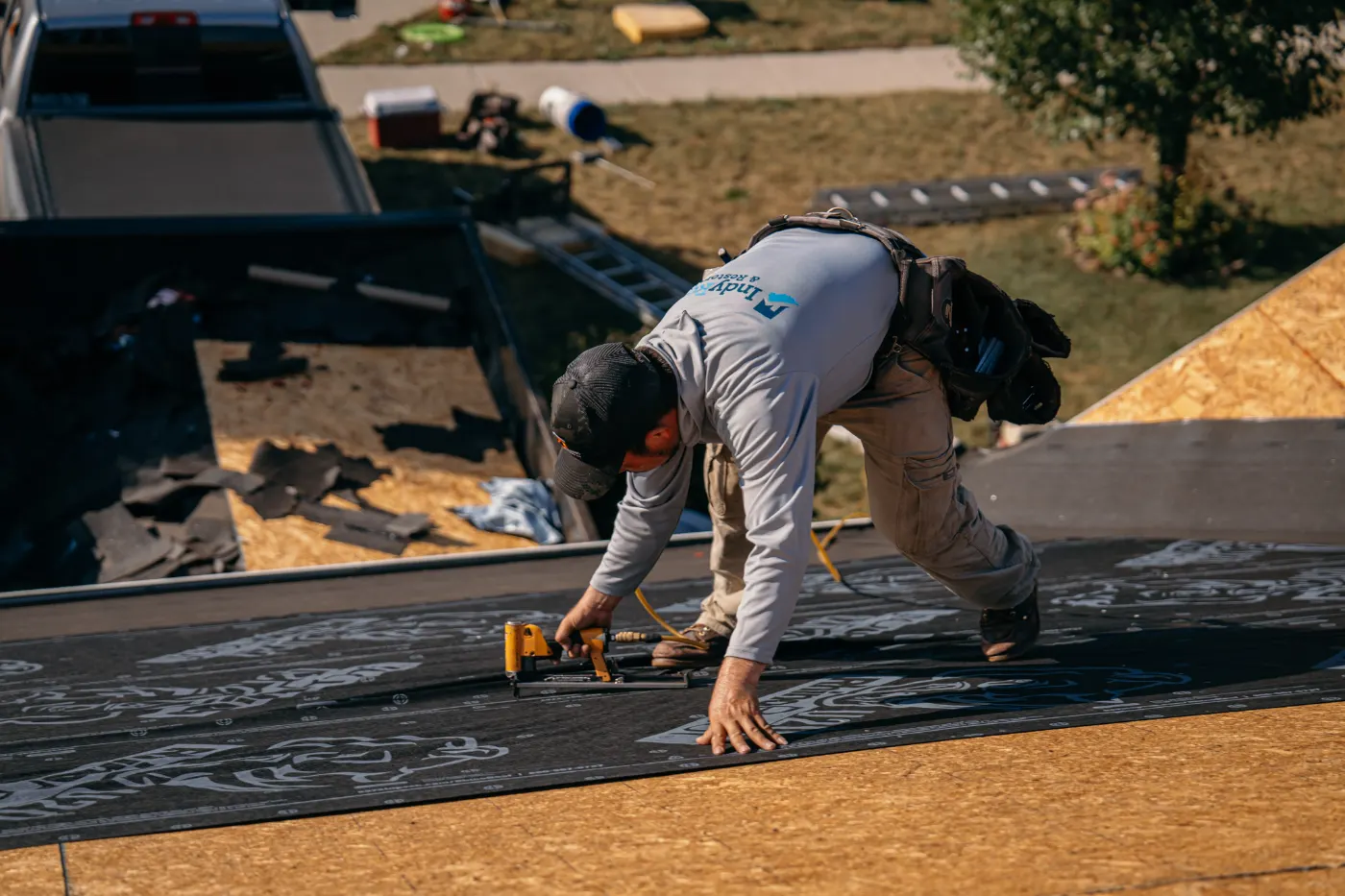
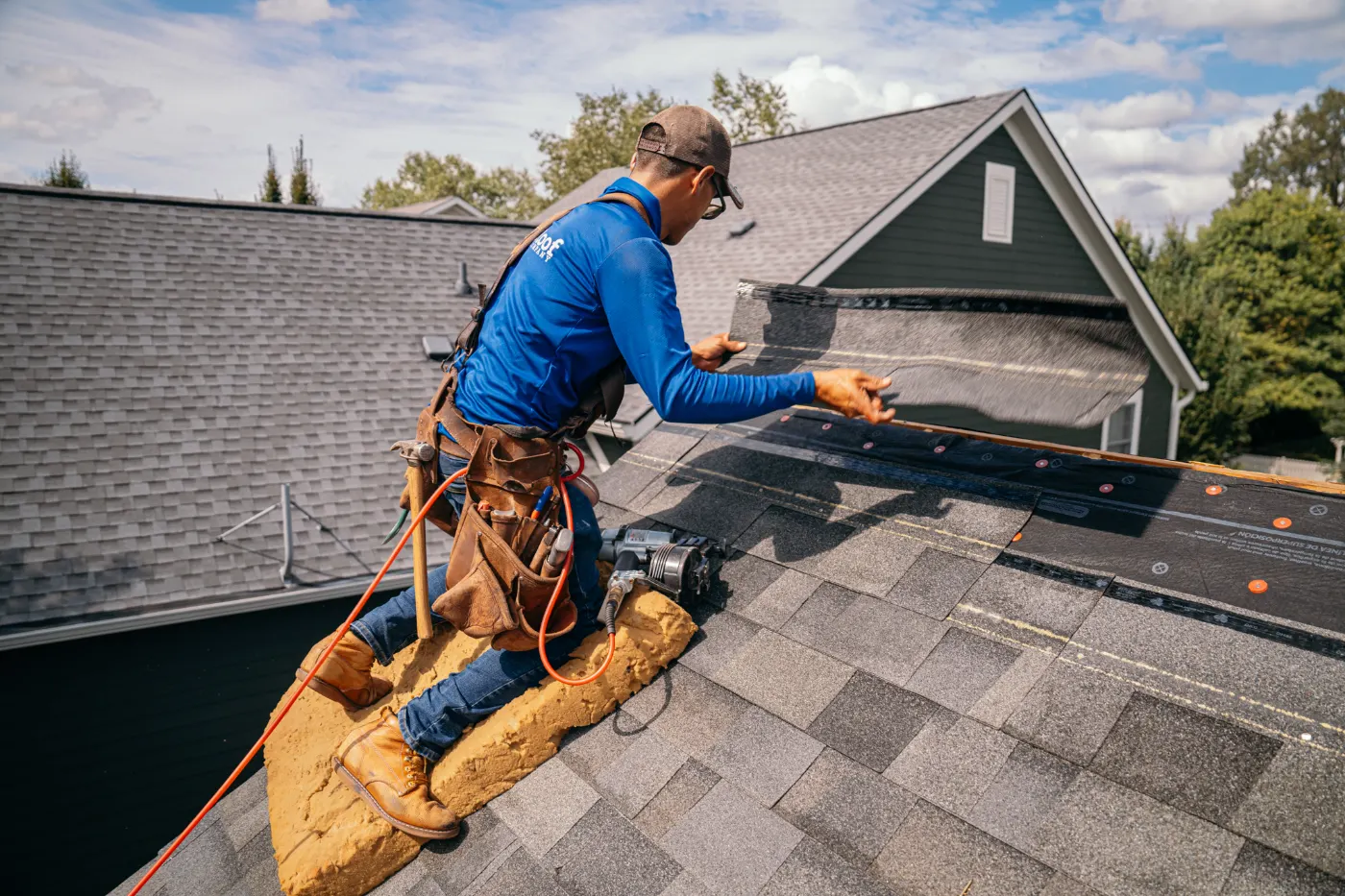
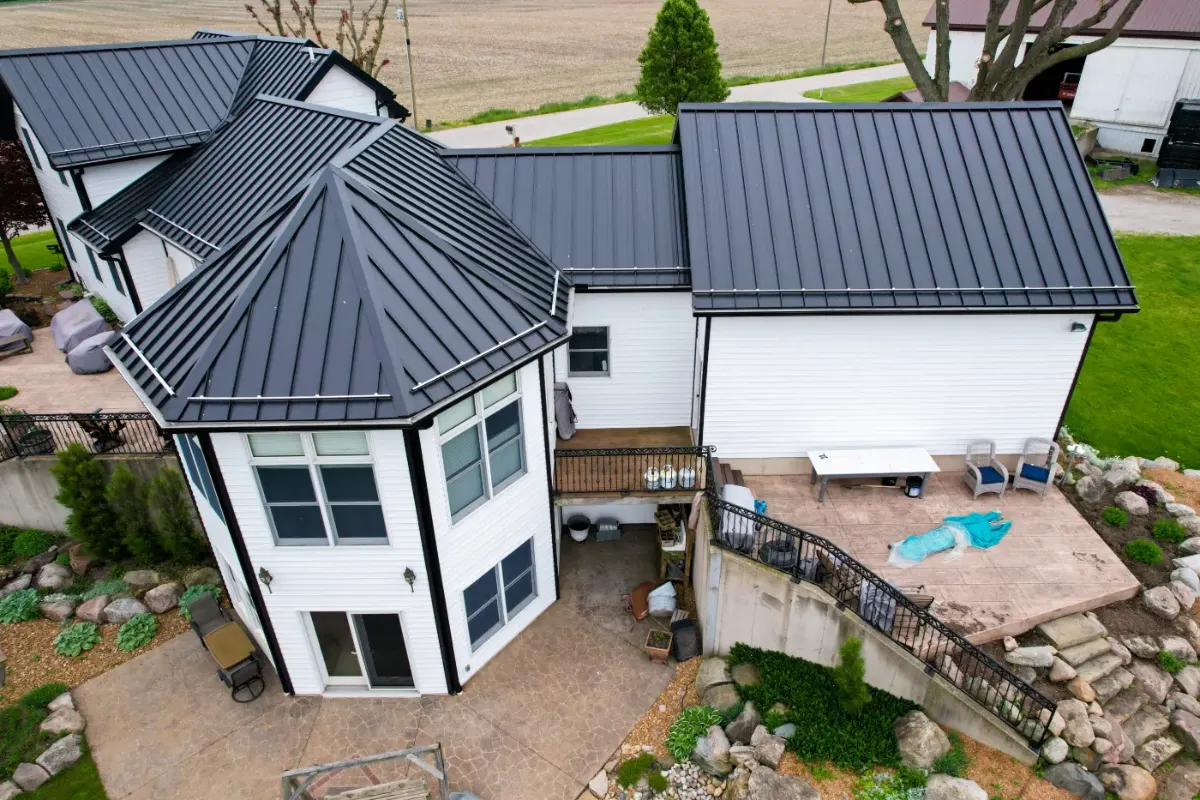
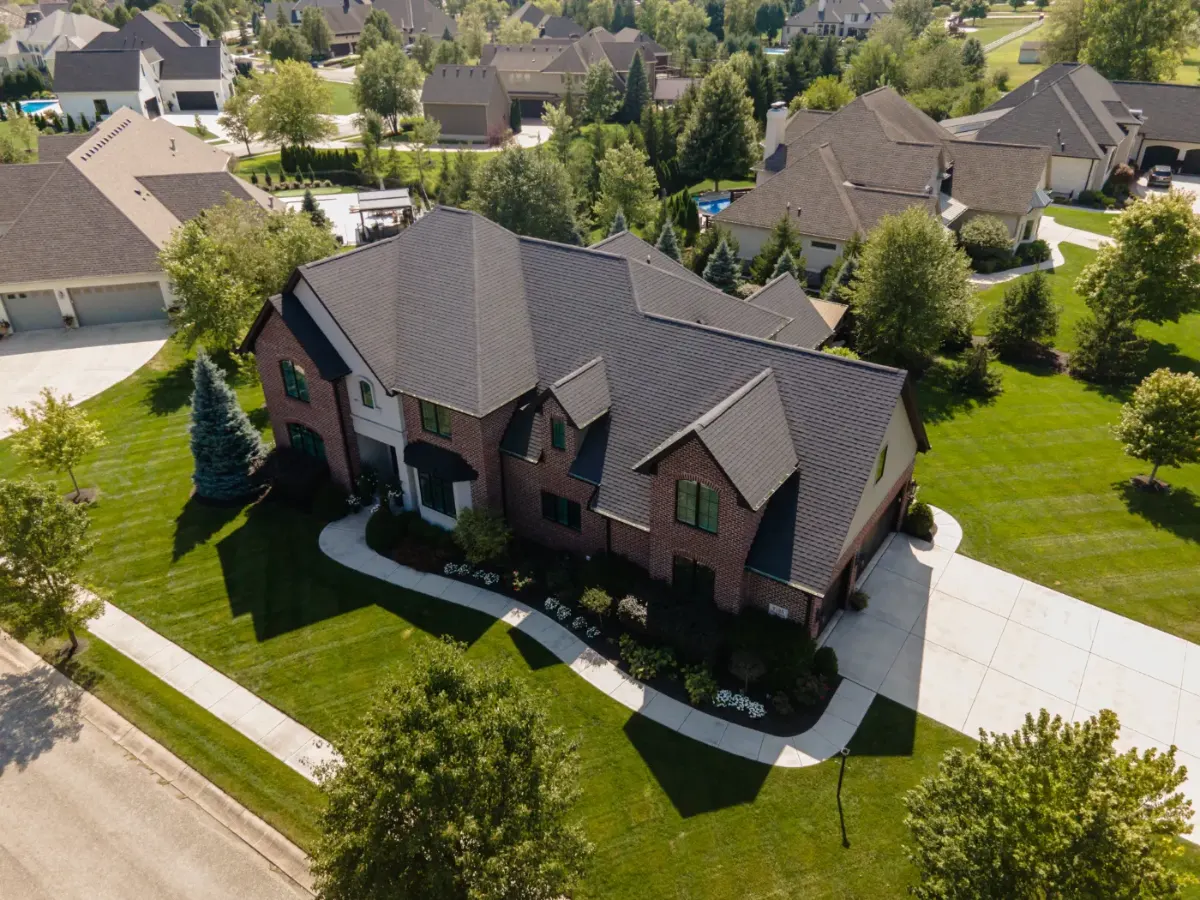
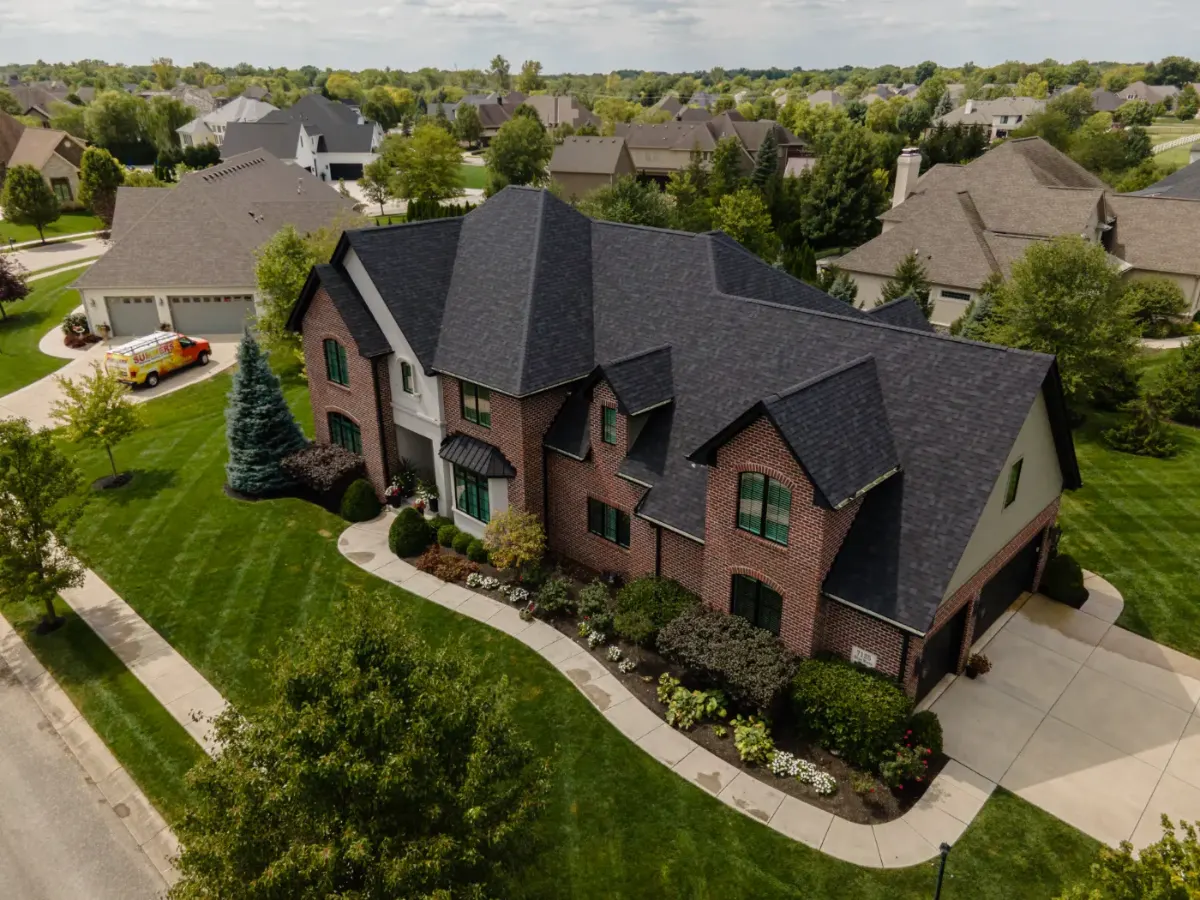
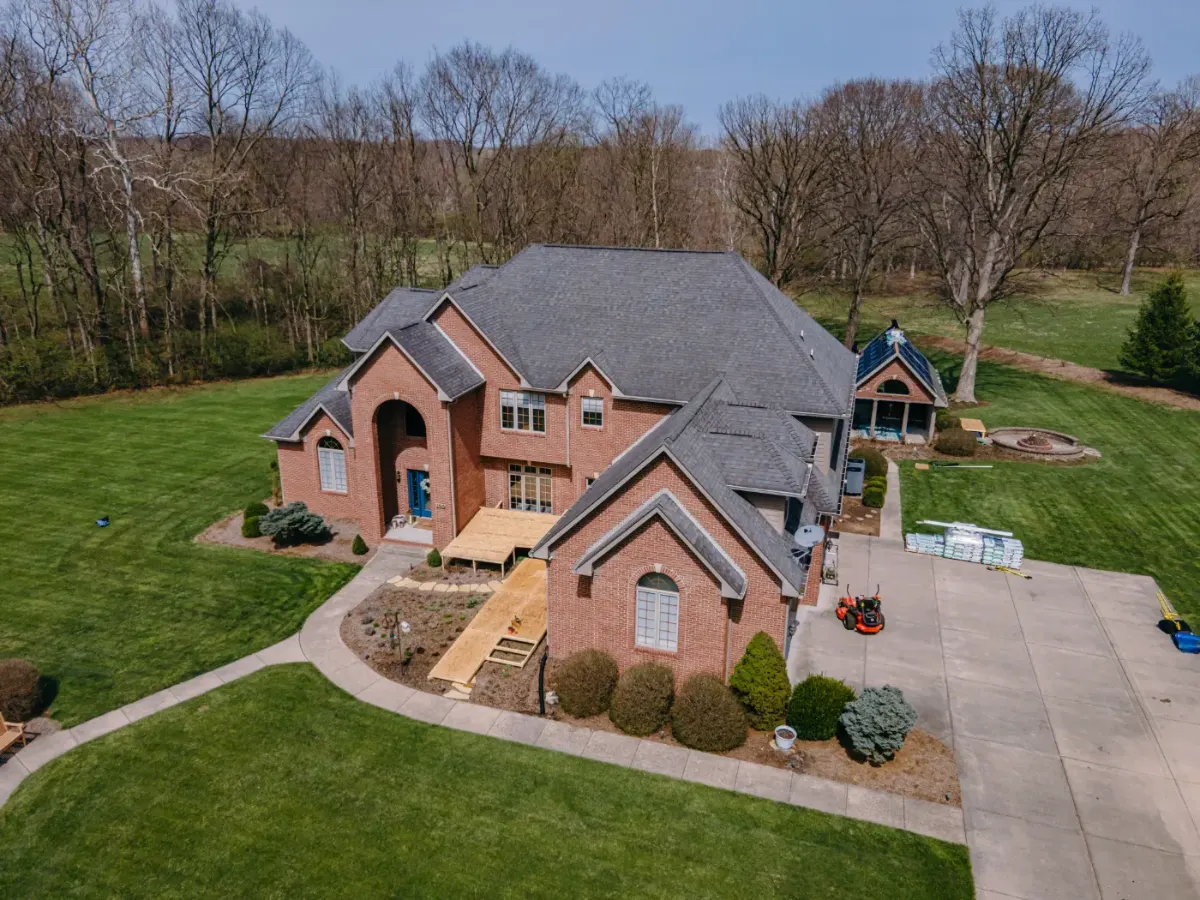
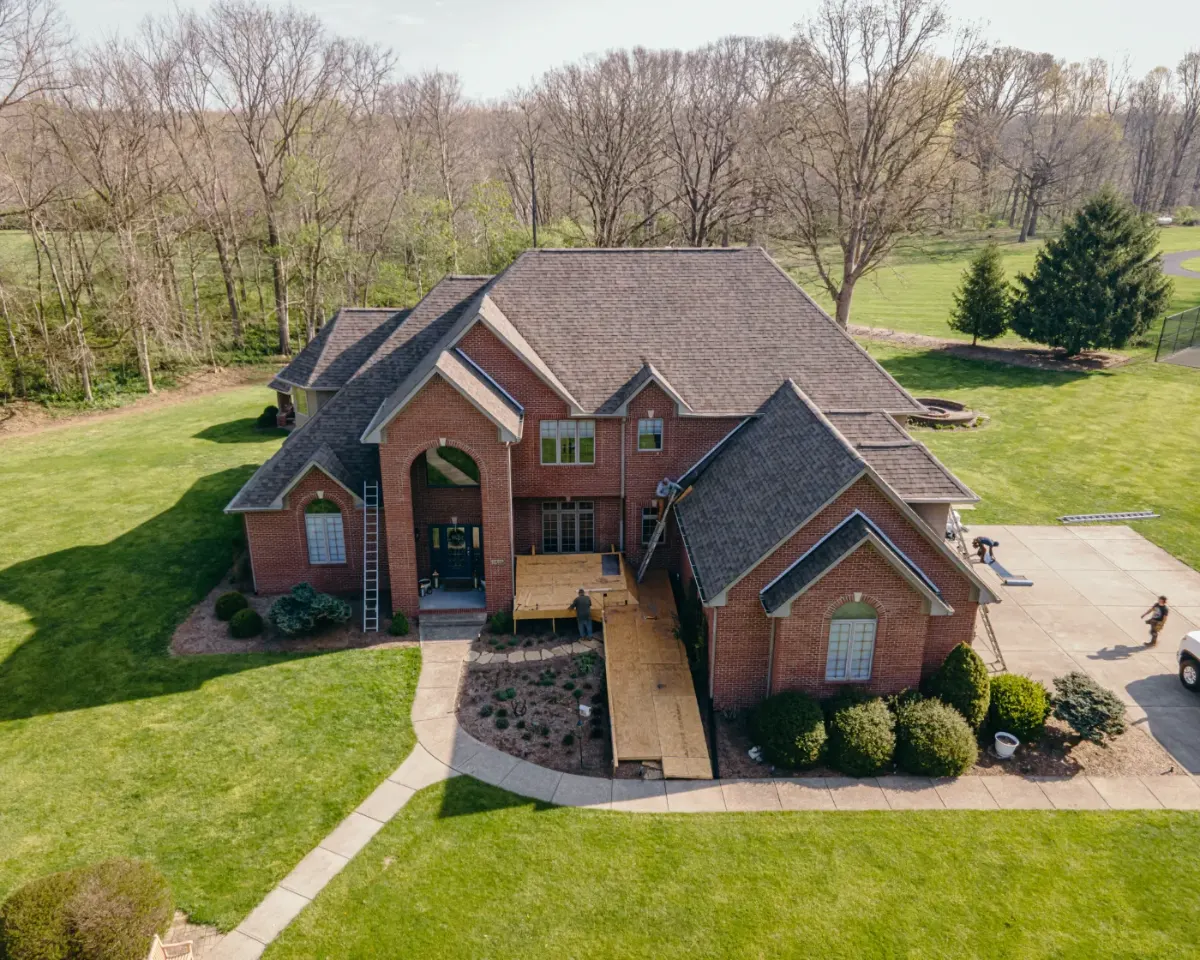
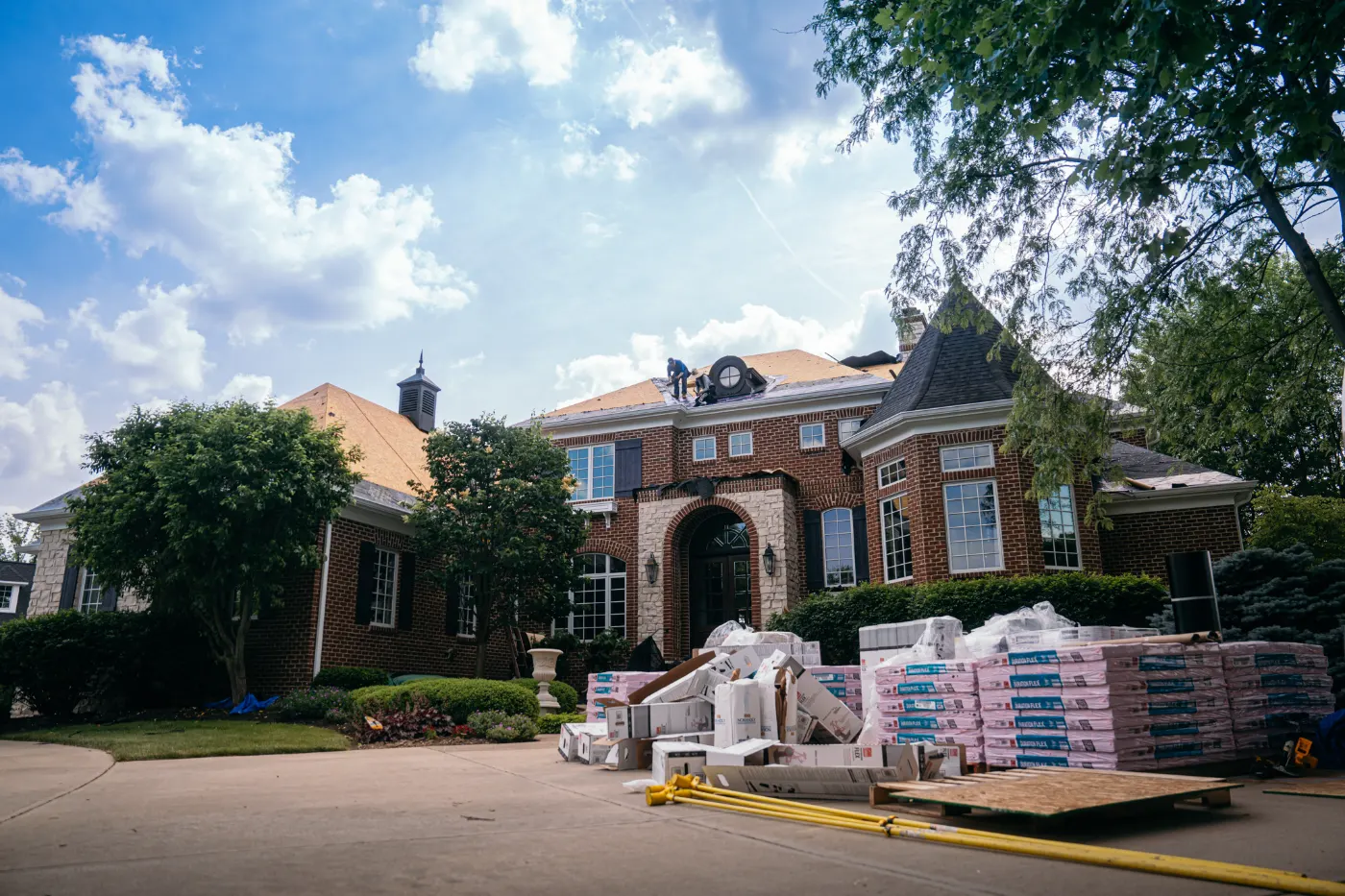
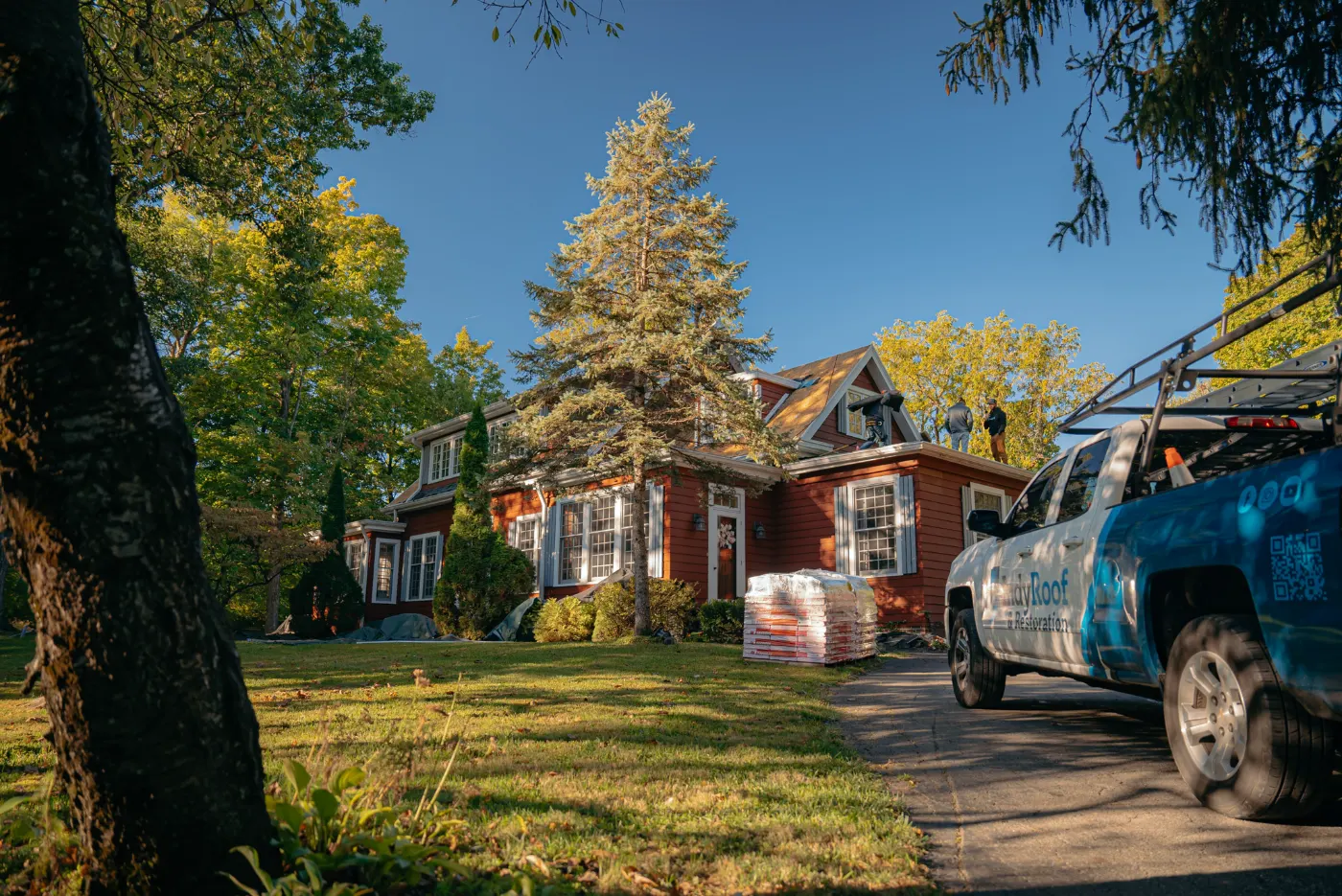
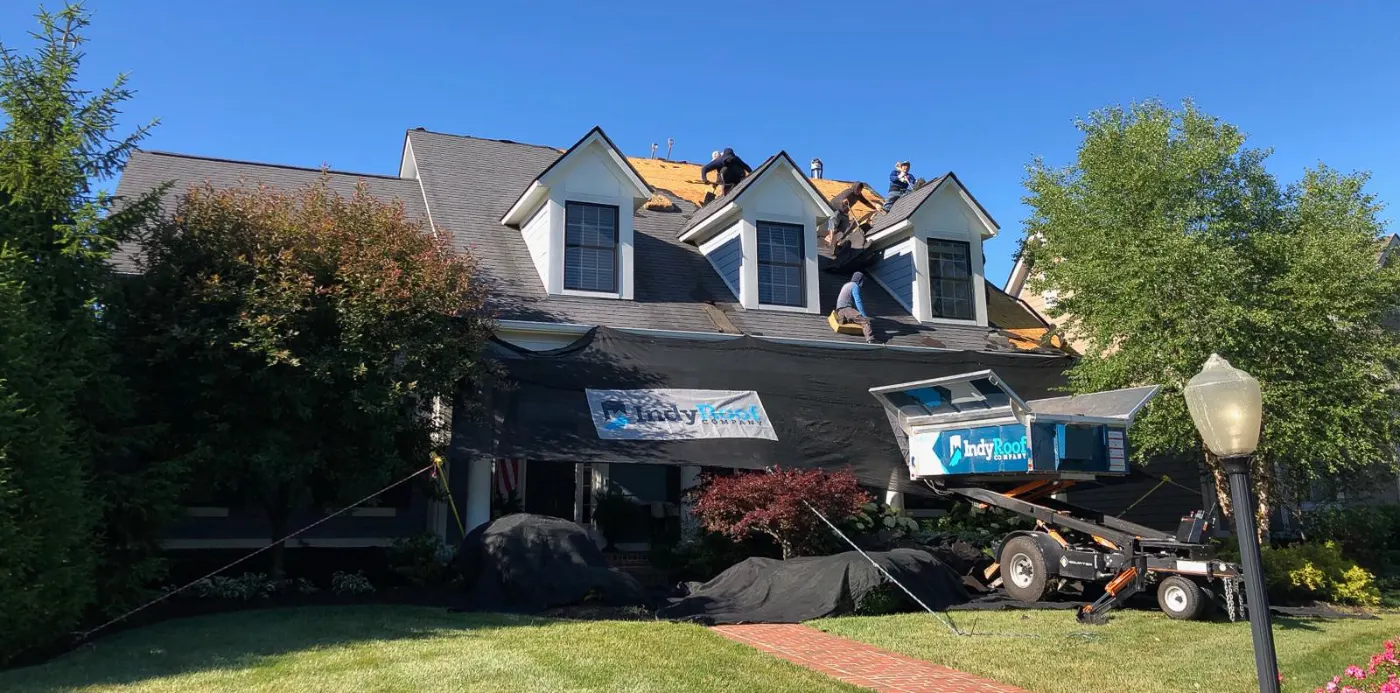
Photos from recent roofing projects completed by our manufacturer-certified crew across Kennard and Henry. Every project is documented with photos and a written closeout package.

The Method We Use on Kennard Homes
The process starts with an on site inspection at your Kennard home. A crew member walks the roof where it's safe, checks the shingles, flashing, valleys, and penetrations, and looks for signs of storm impact or age related wear like granule loss and cracked tabs. We photograph everything as we go. Before any work is discussed, you get a clear picture of the roof's actual condition, not a rushed opinion from the driveway. That inspection is free and there's no obligation to move forward.
Next comes the written estimate. You get an honest number with the scope spelled out, materials listed, and no vague line items designed to grow later. If your Kennard roof has storm damage and you're filing a claim, we provide the photo documentation and written findings you need to share with your insurance carrier and adjuster. We work alongside that process, works with your insurance carrier, and we never tell homeowners what a specific carrier will or won't approve.
Once the estimate is approved, we schedule the work at a time that fits your calendar. Crews show up, protect landscaping and siding around the Kennard home, tear off or overlay as agreed, install underlayment, flashing, and shingles per the manufacturer's specs, and clean up as they go. At the end of the job, we walk the roof and the yard with you, run a magnet for stray nails, and address anything that needs attention before the crew leaves.
Free Inspection With Photos
We inspect the roof at no cost, walking it where safe and documenting shingles, flashing, and trouble spots with photos. You see what we see. No pressure to sign anything on the spot.
Honest Written Estimate
You get a written estimate that spells out scope, materials, and price in plain terms. No filler line items, no vague allowances designed to balloon during the job. If something changes, we talk about it first.
Insurance Documentation
For Kennard storm claims, we prepare photo evidence and a written scope you can share with your insurance carrier and adjuster. works with your insurance carrier and we do not speak for them, but we make the paperwork side straightforward.
Clean Work, Final Walkthrough
Crews protect the property, work efficiently, and clean up daily. When the roof is finished, we walk it with you, run a magnet through the yard for nails, and confirm you're satisfied with the result before we pack up.
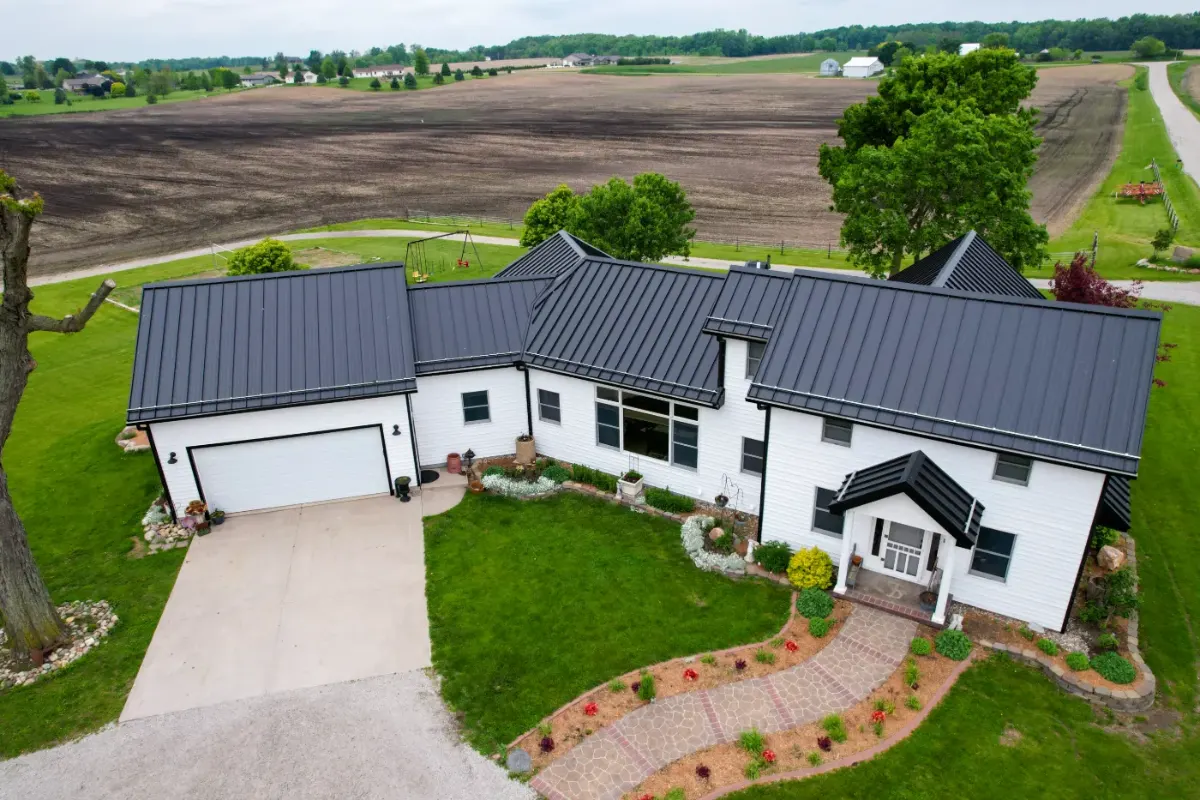
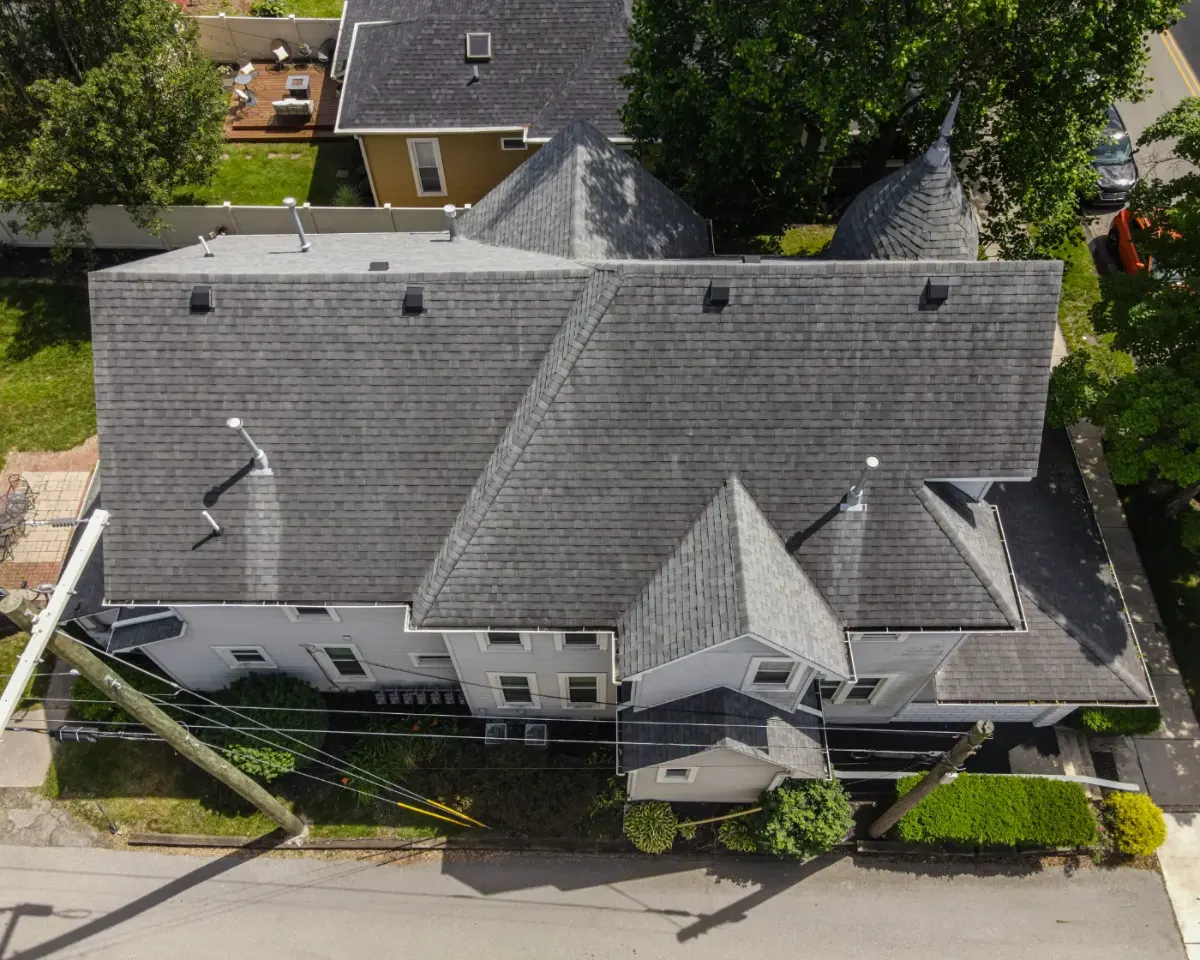
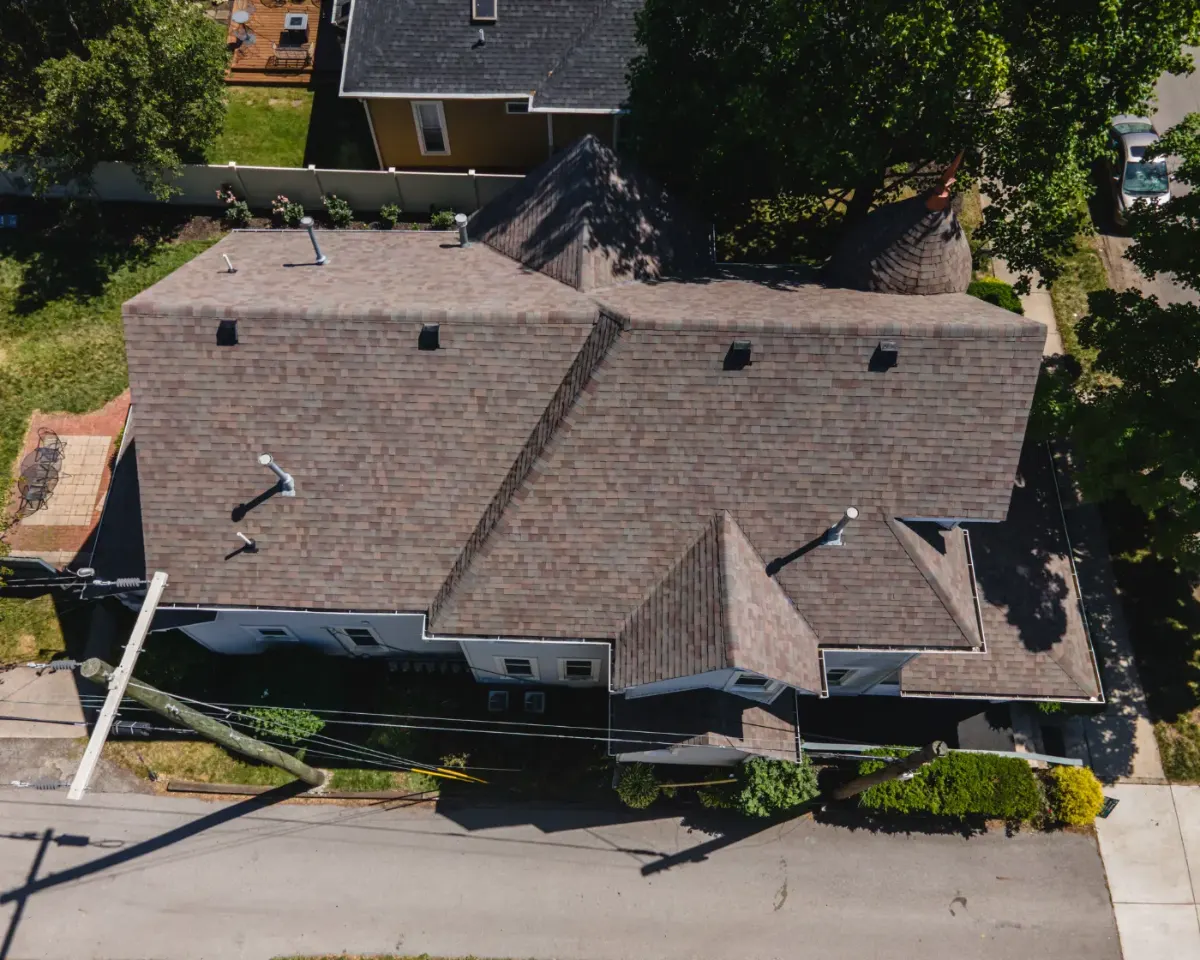
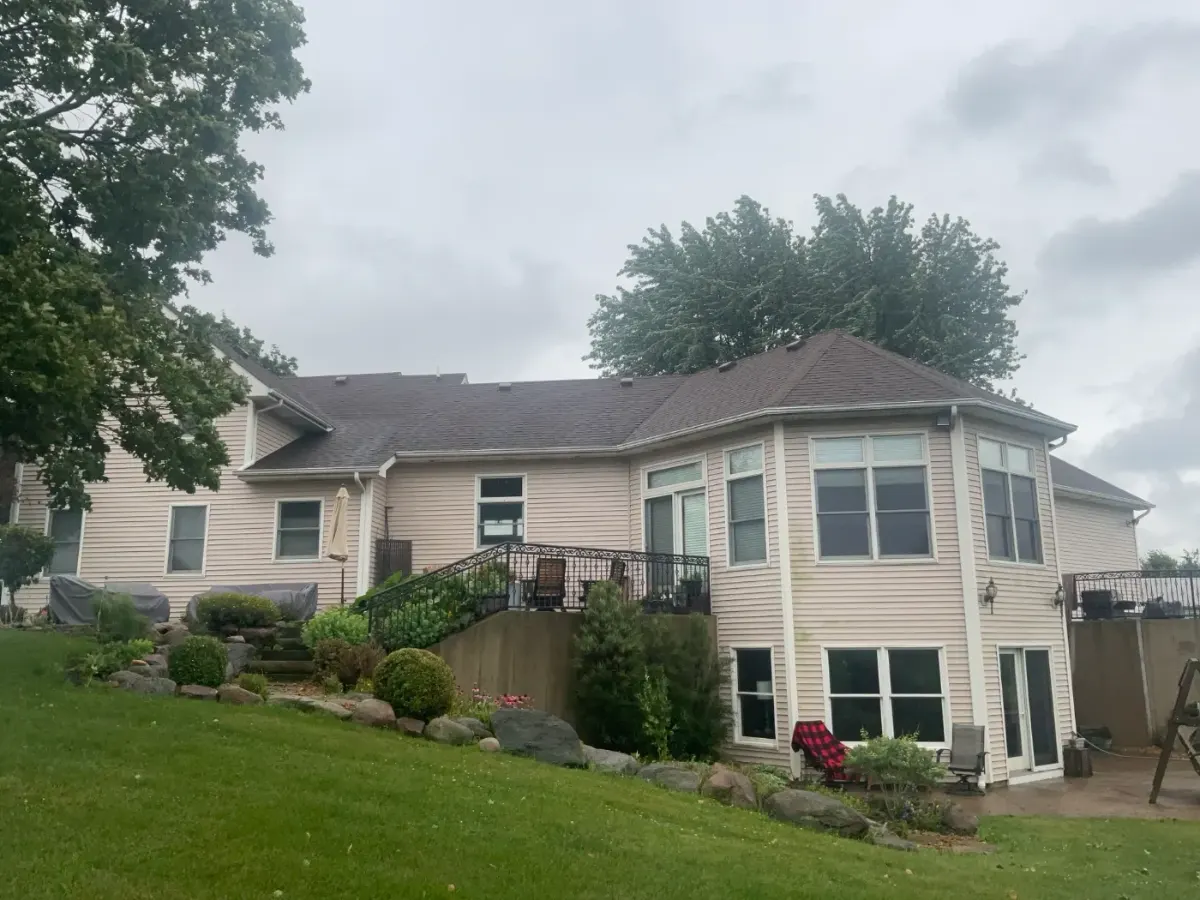
Recent Kennard roofing projects
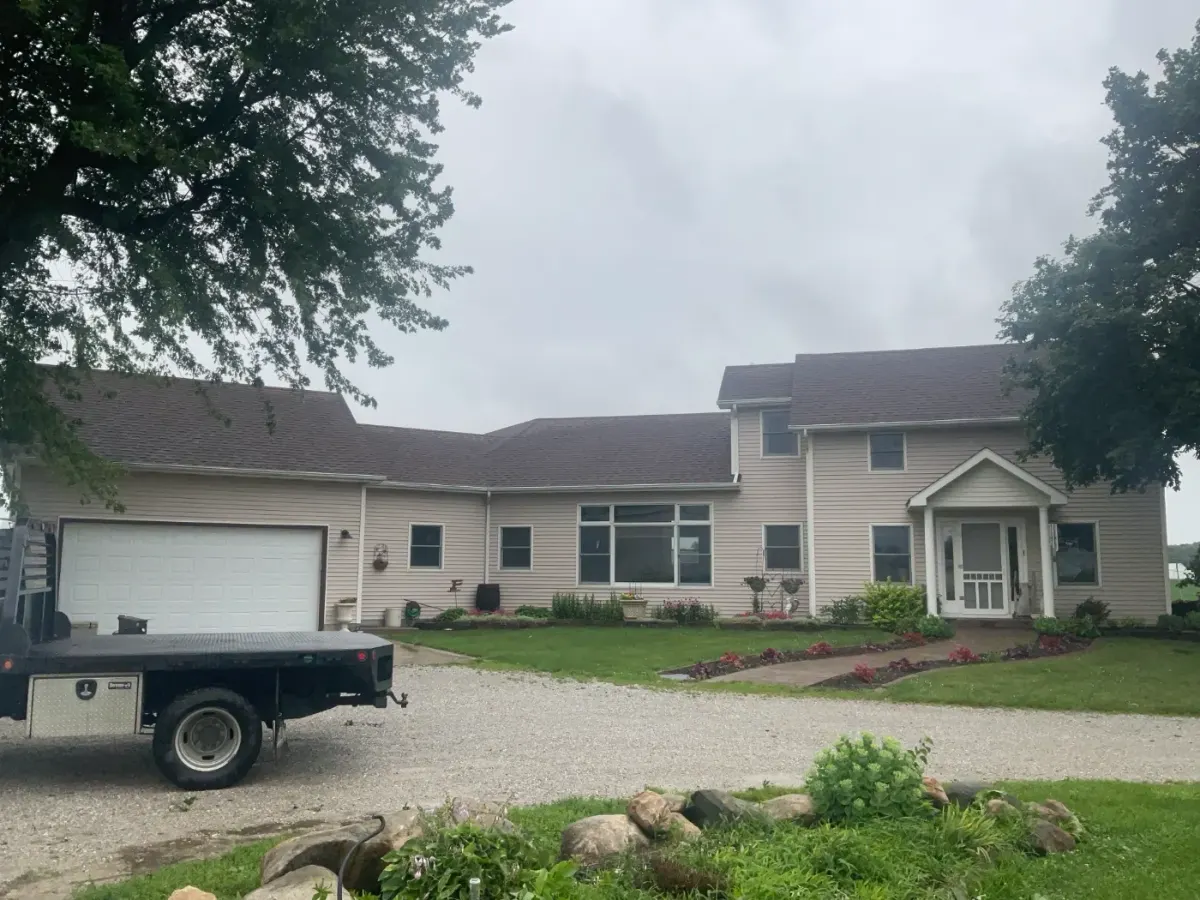
Before-and-after documentation from real Kennard projects. Same photo angles before and after the work.
What we see most often on Kennard roofs
Kennard homeowners typically call us about these scenarios.
Algae Streaking on the North Slope
Those black streaks running down shaded Kennard slopes are airborne algae feeding on the limestone filler in the shingle mat. They are cosmetic at first and hold moisture against the surface over time. Kennard Roofing tells you plainly whether the roof needs cleaning, algae resistant shingles at replacement, or nothing at all yet.
Nail Pops Showing Through the Shingles
Decking expands and contracts through Kennard temperature swings until fasteners back out and tent the shingle above them. Each pop is a pinhole today and a stained ceiling in two years. Kennard Roofing resets the fasteners, reseals or replaces by condition, and photographs the pattern so next year has a baseline to compare against.
Ice and Water Shield That Stops Too Short
Where an ice barrier goes on it runs from the eave to at least 24 inches inside the exterior wall line, and plenty of older Kennard roofs got a strip at the edge and nothing more. The result shows up as a winter leak that disappears every spring. Kennard Roofing checks coverage during tear off and brings it to what the shingle manufacturer's instructions call for rather than matching what was there.
Squirrels and Raccoons at the Roof Edge
Scratching overhead in a Kennard attic usually starts with wood that was already soft. Squirrels and raccoons work a rotted rake board or the gap under a lifted shingle edge, and once the opening is chewed to size they come back to it every year. Kennard Roofing replaces the board and rebuilds the edge detail, because stapling wire over soft wood buys you one season.
Bathroom Vents Ducted Into the Attic
A bath fan that exhausts into attic space instead of through the roof puts warm wet air against the underside of the deck every day. Homeowners find it when the plywood darkens or the insulation mats down. Kennard Roofing looks for it during the roof inspection and flags it, because it is a roof problem even though it starts in a bathroom.
Step Flashing at Dormers and Sidewalls
Behind a lot of rotted sidewalls sits one long strip of flashing slid under the siding. It reads as finished work from the driveway, and it fails where nobody can see. Where a slope meets a wall the flashing needs to be individual L-shaped pieces, woven course by course into the shingles, so Kennard Roofing rebuilds that detail one piece at a time, then sets a kick-out at the bottom to drop runoff into the gutter.
Three Simple Steps
Every Kennard Roofing project runs on a disciplined process, from the free inspection through to completion.
Free Inspection
We review your roof, document conditions with photos, and explain findings in direct, practical terms. Inspections are scheduled at a time that works for you.
Transparent Estimate
You get the recommended work written out, item by item, with what each one does for your property. Nobody pushes. Options get explained at whatever pace suits you.
Quality Installation
Property gets respected, timelines stay consistent, and the crew works attentively. Registering the manufacturer warranty in your name is on us.
Reviews from Kennard Rental Roofs
4.9 stars across 2,307+ Google reviews.
"Emergency response at 9pm during a major thunderstorm. They dispatched within 2 hours, tarped the active leak area, and saved our ceiling. Permanent repair scheduled the following week. Worth every minute of the emergency call."
"The manufacturer certifications are real and the work backs them up. Manufacturer system warranty registered in our name with all documentation delivered."
"Easy to work with. Professional crew. Clean job site. Documentation delivered as promised. Will recommend without reservation."
"I have used several roofing contractors over the years. This team is the one I keep coming back to because they communicate clearly and follow through on what they say."
If You Are Weighing Repair or Replacement
Straight answers to the questions Kennard homeowners ask most.
Indiana Weather Affects Roofs Year Round
Maintenance, repairs, and replacement work all get planned around the weather here, because Indiana runs through more of it than almost anywhere in the country. A Kennard homeowner sees hail and severe thunderstorms in spring, UV exposure over the summer, wind storms in fall, and freeze thaw cycles all winter.
Hail Bruising And Cracking
Henry County sees hail events large enough to bruise and crack asphalt shingles, with reports in the area reaching stones near 2.75 inches. Bruising crushes the mat under the granules, shortening shingle life even when the roof still looks intact from the ground. When called out after hail, we document each slope with photos so damage isn't missed.
Wind Lifting Shingles
Kennard sits in a part of Indiana that catches recurring high wind events with severe thunderstorms. Wind lifts and tears three tab and architectural shingles, especially along ridges, rakes, and edges where seal strips are aging. We look for creased tabs, missing shingles, and exposed nail heads, then repair or replace what's failed before the next storm exploits it.
Ice Dams Under Shingles
Indiana winters cycle through freeze and thaw, and Kennard homes with older attic insulation are prone to ice dams at the eaves. Meltwater backs up behind the ice and works its way under shingles, then into the decking and interior. When we inspect after winter, we check for staining, lifted courses, and damaged underlayment along the lower slopes.
Granule Loss On Aging Roofs
With a large share of Kennard's housing stock built by the mid 1950s or rebuilt in the late 1970s, plenty of local roofs are running well past their expected life. Granule loss exposes the asphalt mat to UV, accelerating shingle failure. We check gutters and downspouts for granule buildup and factor it into the repair or replacement decision.
Choosing the Right Roof for Kennard Homes
An honest breakdown of the three systems we install most frequently.
Architectural asphalt shingles are the most common choice on Kennard roofs, and for good reason. They offer a strong balance of upfront cost, curb appeal, and dependable performance against Indiana wind, rain, and snow. The dimensional profile looks noticeably better than the flat three tab shingles that originally covered many homes in town, and the color range is wide enough to fit any style, from farmhouse to updated ranch. Manufacturer warranties on architectural shingles are strong, typically covering the shingle for decades under normal conditions. For most Kennard homeowners planning a replacement, architectural asphalt is the sensible starting point.
Class 4 impact resistant shingles are built to take the kind of hail that leaves standard asphalt bruised and cracked. Given Henry County's spring storm season and the hail reports the area has seen, they're worth a real conversation. The shingles use a tougher mat and modified asphalt to resist impact, and many homeowners find the granules hold up longer over time. Ask your insurance carrier whether your policy offers a premium credit for Class 4 shingles, because some do and some don't, and it's worth checking before you decide. We can walk you through the tradeoffs during the inspection.
Standing seam metal is the longest lasting of the three options, often outliving two or three asphalt roofs on the same house. The concealed fastener design means no exposed screws to loosen or leak, snow and ice shed off the smooth panels, and upkeep is minimal for decades. The tradeoff is honest: upfront cost is significantly higher than asphalt. You're buying long term performance and low maintenance instead of paying less today and replacing sooner. For Kennard homeowners planning to stay in the house long term, or wanting a distinctive look on a farmhouse or country property, metal earns its price.
Kennard Roofing Services, Explained
Roof Inspections
Most people in Kennard call for a roof inspection after something makes them wonder. Maybe a neighbor got a new roof, maybe the ceiling shows a faint ring, maybe the wind blew hard all night. Any of those is a fine reason to pick up the phone.
You don't need visible damage to ask. We come out, walk the roof when it's safe, and tell you plainly whether the shingles have life left or whether it's time to start planning.
There's no charge and nobody pushes you to buy. If the roof is fine, we say so and you can set the question down for another year.
Roof Inspections in Kennard ›Roof Repair
Repairs happen year round in Kennard, though the calendar changes the approach. In cold weather, sealants need heat to bond and shingles turn brittle, so a crew moves slower and takes more care. In summer heat those same shingles soften and scuff, which means early starts and light feet.
Fall runs busiest, since everybody wants the roof settled before winter arrives. Whatever the season, an active leak gets attention right away, because water inside a house will not wait for better working weather. We schedule around the rain rather than the calendar, and we tell you honestly when a wet stretch is going to push your day back.
Roof Repair in Kennard ›Emergency Roof Repair
Sudden storm damage is what home policies exist for, and urgent work usually falls under the part of the policy asking you to prevent further loss. That is why documentation matters from the first minute. We photograph the roof before covering it, keep that invoice separate from the permanent repair, and hand you both in a form your carrier can read.
If an adjuster is coming to your Kennard home, we can meet them on site and walk the roof together so nothing gets missed or argued about later. Two sets of pictures usually settle a question faster than one.
Emergency Roof Repair in Kennard ›Roof Replacement
The quote for a Kennard roof replacement should read like a plan, not a slogan. Ours lists the tear off, the underlayment, the ice and water protection at vulnerable areas, the flashing, the vents, the ridge, the disposal and the cleanup. It states what happens if we find bad decking and what that costs per board, so the number cannot move without your say so.
Warranty terms appear in ordinary words. You should be able to hand it to another roofer and compare line for line. If a competing bid is thinner, that gap is usually where the surprises live.
Roof Replacement in Kennard ›Designer Roofing
Most of these conversations start with a house rather than a problem. Someone finishes a siding or window project and the old roof suddenly looks its age. A homeowner buys a place with strong architecture and wants the roof to match.
Sometimes a neighbor reroofs and the whole block starts noticing rooflines. Occasionally it begins with hail, when a claim covers replacement and the homeowner puts the difference toward a better shingle.
Any of those is a fine reason to ask what the options look like in Kennard. We are happy to talk it through before you commit to anything at all.
Designer Roofing in Kennard ›Additions and Porch Roofs in Kennard
A lot of the houses around here aren't quite what the builder handed over. Garages became family rooms, back porches got enclosed, sunrooms went on where a patio used to be, and every one of those changes left a seam in the roof. Those seams are where we spend our attention, because a transition between an original roof and an addition involves two framing depths, two decks that were never planed to match, and often two pitches meeting at an awkward angle.
The usual trouble sits at the wall. When an addition ties into the side of the house instead of continuing an existing slope, water coming down the main roof has to be carried out past the new roofline, and that only works if the flashing was woven in while the shingles were going on. Added later from the top, it becomes a strip of metal lying on the surface holding back water by way of sealant, and that arrangement leaks eventually without exception.
Pitch changes cause their own headaches. Where a steep original roof runs down onto a shallow addition, the water arrives fast and meets a surface that sheds slowly, and ordinary shingles at that lower angle won't keep up with it. The right answer is usually a different covering on the shallow section with the transition detailed in metal, and it belongs on the estimate as its own line, with a price you can actually look at.
Ventilation is the piece homeowners never see coming. Enclosing a porch or finishing a room over the garage frequently seals off the eave that used to feed air into the main attic, so now part of the house has intake and part has none at all. We look for that on every home that has been added onto, because it explains a surprising number of roofs that wore out long before they should have, and correcting it while the roof is open costs a fraction of what it takes afterward.
Permits and Inspections Around Kennard
Whether a reroof needs a permit depends on where you live, and in this part of the state the answer varies from one town to the next. Some jurisdictions want a permit for any tear-off and send an inspector out. Others only care if the structure is being altered.
Some subdivisions add their own layer through a neighborhood association with rules about color or material. A contractor who works in your area regularly will know which applies to your address, and if they do not know, that's worth noticing.
Where a permit is required, it should appear on the estimate as a line item, with a clear statement of who pulls it. It should be the contractor, in the contractor's name, not a homeowner permit that you sign for. A homeowner permit shifts responsibility for the work to you, which is a bad arrangement when you're not the one doing it, and it's sometimes suggested by companies that would rather not be on the record.
The inspection itself is usually straightforward. The inspector may want to see the deck before the new material goes on, which affects scheduling, or may only look at the finished job.
Either way the work has to meet the local code, which around here typically includes an ice membrane along the overhangs and up through every valley, a minimum number of fasteners per shingle, and rules about how many layers a house may carry. Those requirements exist for reasons the winters here make obvious.
There's a practical side to all of this beyond following rules. When you sell the house, an inspector or a buyer's agent may look for a record of the roof, and a permitted job with a closed inspection answers the question cleanly.
An unpermitted one invites a conversation you don't want to be having during a sale. It's a small line on the estimate and a small amount of paperwork, and it is worth having done properly.
What the Written Estimate Actually Says
A number spoken in your driveway is worth nothing. What you should end up holding is a document that describes the job well enough that a different crew could pick it up and build the same roof. Ours starts with the measurement, the slopes and their pitches, and the total area in squares, so you can see that the price is tied to something countable instead of to a guess about your house.
Under that come the line items in the order the work happens. Tear-off and how many layers are coming off, disposal, the decking allowance with a rate per board or sheet and a quantity included, the underlayment, the ice and water membrane at the eaves and in the valleys, starter along the rakes and eaves, the field material, hip and ridge, and every piece of flashing by location. Ventilation appears on its own line with the intake and exhaust listed separately, because that's a decision you should get to make on purpose.
The parts that aren't included matter just as much. Our exclusions are written out where you can see them, along with the specific conditions that would trigger a change order and how you would be notified. Any change gets photographed, priced, and approved by you in writing before the work happens, so the last day of the job holds no surprises.
The back page covers the ordinary business items. How the payment schedule works and what's due when, roughly how long the job takes on a house like yours, who is responsible for the permit if your town requires one, what the workmanship coverage includes and for how long, and how that differs from the material coverage that comes from whoever made the shingles.
Read that page carefully, because it's where most of the disputes we hear about would have been prevented. If anything in it is unclear, ask, and if the answer you get is vague, ask again until it's written down in words you would be comfortable reading back to somebody a year from now.
Freeze, Thaw and What It Costs You
The single hardest thing on a roof in this part of the state isn't the coldest night of the year or the hottest afternoon. It's the number of times the temperature crosses back and forth over freezing, which around here happens constantly from late fall through early spring.
Water gets into a small gap during the warm part of the day, expands when it locks up overnight, and makes the gap slightly bigger. Repeat that dozens of times a winter, over many winters, and small becomes structural.
You see the result in specific places. Nail heads that have worked their way up a fraction at a time until they push against the shingle above. Sealant joints around a chimney that were tight when they were installed and now show hairline cracks running the length of the bead.
Mortar in the chimney crown itself, which soaks up water and comes apart in flakes. The exposed edge of plank decking at the eaves, which swells and shrinks until the fasteners no longer have anything solid to hold.
Material matters here too. An older shingle that has lost most of its granules absorbs and releases moisture much more readily than a new one, so the freeze and thaw cycle accelerates its decline. That's why roofs in this region often look fine for many years and then seem to fall apart in the space of two or three seasons.
Nothing sudden happened. The material simply crossed the point where it stopped shedding water quickly, and the winters did the rest.
The practical response isn't complicated. Keep water moving off the roof and out of the gutters so it has less opportunity to sit and freeze, keep the attic cold and dry so the roof deck stays the same temperature as the air outside, and deal with cracked sealant and lifted fasteners while they are still small enough to be repairs. None of it is glamorous work, and all of it buys years.
Before You Sign and While the Kennard Job Runs
The questions split neatly into two groups, and mixing them up is how people end up frustrated. Before you sign, the questions are about scope and accountability.
What exactly is coming off, what is going back on, who is doing it, what happens when the wood is worse than expected, and what the workmanship coverage says in writing. Those all have to be settled while you still have the option of hiring somebody else, because afterward they become requests rather than terms.
Once the job is scheduled, the questions become logistical, and they're worth asking a few days out. What time does the crew arrive and how many days is this expected to take. Where should the dumpster sit and where do you need cars moved from.
Will the material be delivered ahead of time and is it going on the roof or in the driveway. Does anybody need to be home, and how does the crew get to the attic if there's work to do inside.
During the job, the useful questions are short and specific. At the end of the first day, once the tear-off is done, ask what the deck looked like and ask to see the photographs while the roof is still open.
That's the moment when everything hidden becomes visible, and it's the last chance to see it for another few decades. If anything is being added to the price, that is when you should be hearing about it, well before the last day.
After the last shingle goes on, there are only a couple left. Walk the property with the lead, look at the flashing details up close where you can reach them, and get the final paperwork including the workmanship terms and whatever registration the material coverage requires.
Ask when the town inspector is coming if a permit was pulled. Then keep the folder somewhere you will find it, because the next person to need it might be a buyer's inspector some years from now.
What Else Kennard Asks Us
Every Corner of Kennard
Our completed roofing work spans Kennard neighborhoods and the areas nearby. Choosing a neighborhood pulls up the specifics we've collected from jobs there.
Where we respond near Kennard
Indiana-licensed crews dispatched to Kennard and the closest surrounding communities.
Roofing Systems Compared in Kennard
Here for quick reference: our four most commonly installed residential systems, with prices drawn from typical Kennard work.
Nothing is charged for a written scope and quote. The ranges shown are typical of the Kennard market in 2026. Any upper figure marked with a plus sign can be exceeded depending on what the inspection turns up.
Kennard Roofing is powered by Indy Roof & Restoration
Every quote, crew, and warranty on this page traces back to Indy Roof & Restoration. Since 2018, their crews have worked central Indiana through every storm season, and Kennard sits squarely in that footprint. The proof is public: 2,307+ verified Google reviews, 4.9 stars, one of the strongest ratings of any contractor in central Indiana.
Licensed and insured · License #RC21100059
The shop holds Owens Corning Preferred Contractor, Malarkey Certified Contractor, BBB A+ Accredited and Google Google Guaranteed. Local media including FOX59, WISH TV, and RTV6 have covered their work.
Expert Kennard Roofing Crews Available Now
Whether your Kennard roof took a hit in the last storm, has quietly aged past its lifespan, or you're just planning ahead before the next season, it's worth a look. Schedule a free inspection with no obligation, and we'll document everything you need for your claim.